

Quick answer
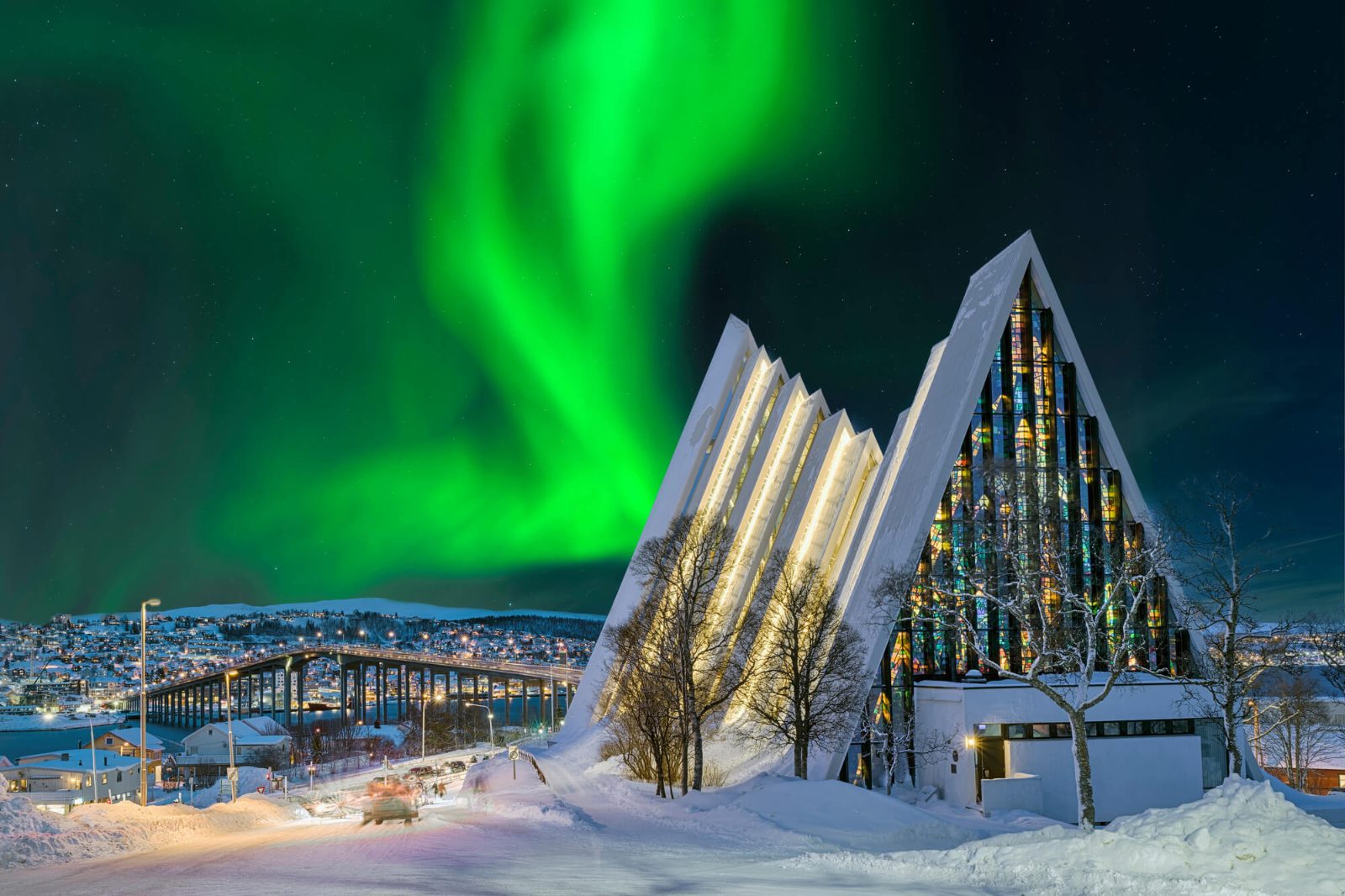
The best time to see the northern lights in Tromso runs from late September through early April, with peak darkness occurring between November and January when polar night delivers round-the-clock viewing potential. Auroral activity typically intensifies between 18:00 and 02:00, aligning with geomagnetic midnight when the Earth's magnetic field channels solar particles toward the poles. Clear skies and solar wind conditions remain the decisive variables regardless of season.
Tromso records an average of 18 to 20 aurora nights per month during the core winter season, a frequency driven by its position beneath the auroral oval's southern edge where the probability of visible geomagnetic storms peaks between 65° and 70° north latitude. The aurora season extends from late September to early April because this window provides the necessary darkness threshold—auroral light becomes visible only when the sky reaches nautical twilight or darker, a condition that requires the sun to dip at least six degrees below the horizon. Before mid-September, summer's midnight sun prevents the darkness required for aurora visibility. After mid-April, lengthening daylight compresses the viewing window to impractically short intervals. The shoulder months of September and March offer three to five hours of viable darkness per night, while November through January deliver up to 20 hours as polar night suspends the sun below the horizon for weeks at a stretch. Geomagnetic activity follows an 11-year solar cycle, but short-term forecasts based on solar wind speed and the interplanetary magnetic field provide more actionable guidance for trip planning. The KP index, which measures geomagnetic disturbance on a scale from 0 to 9, becomes relevant above KP 2 in Tromso's latitude band—higher values correlate with brighter, more dynamic displays that extend farther south from the magnetic pole. Most tour operators monitor real-time space weather and adjust departure times when elevated solar wind is forecast to arrive within the evening window. Cloud cover presents the primary obstacle. Coastal Tromso experiences maritime weather patterns that produce frequent precipitation and overcast conditions, particularly in October and November when Atlantic storm systems track across northern Norway. February and March statistically deliver the highest percentage of clear nights, though temperatures drop to minus 10°C and lower. Inland valleys east of the city, accessible within 30 to 60 minutes by vehicle, offer microclimates with reduced cloud cover when coastal conditions deteriorate. The recommended arrival window of 18:00 to 02:00 reflects the statistical peak in auroral activity during geomagnetic midnight, the period when Earth's magnetotail—stretched by solar wind on the planet's night side—undergoes reconnection events that accelerate particles toward the polar atmosphere. This process typically occurs four to six hours after local magnetic noon, which falls near 14:00 in Tromso's time zone.
“Tromso records an average of 18 to 20 aurora nights per month during the core winter season, a frequency driven by its position beneath the auroral oval's southern edge.”
What Is the Best Time to See the Northern Lights in Tromso: Seasonal and Daily Windows
The core window runs from late September through early April, when Tromso sits far enough into the polar night cycle for the aurora to be visible against a dark sky; within that stretch, 18:00 to 02:00 is when darkness and geomagnetic activity most often line up.
Late Sep to Oct
Fewer visitors, shoulder seasonCold, wet, 2 to 8°C, changeable skies
Nights are long enough for viewing but weather can be unstable, with cloud cover a frequent obstacle.
Nov to Jan
Peak visitor numbers, book aheadCold, dry spells common, -5 to 2°C
This is the deepest polar night, with 24-hour darkness in December giving the widest viewing hours, though clear-sky nights are not guaranteed.
Feb to Mar
High demand, holiday crowdsColder, more stable clear spells, -10 to 0°C
Statistically drier air and more frequent clear nights make this the most consistent stretch for actually seeing activity.
Late Mar to early Apr
Crowds thinning outMilder, -5 to 5°C, longer daylight
Darkness hours shrink each week, so only the late evening and pre-dawn portion of the 18:00 to 02:00 window still works.
Nightly 18:00 to 02:00
Quietest after midnight—
This late evening to early morning stretch is when the sky is darkest and auroral activity is most often recorded, regardless of the month.
Verdict: For the best odds, plan for late February to March, watching the sky between 18:00 and 02:00 on clear, low-moon nights.
Planning Your Visit: What Is the Best Time to See the Northern Lights in Tromso Prep Guide
Successful aurora viewing requires advance preparation and the right equipment for Arctic conditions.
-
Download aurora forecast apps — Real-time KP-index and cloud cover data help you choose the best nights within your travel window.
-
Book guided tours in advance — Popular Northern Lights tours fill quickly during peak season from late September through March.
-
Pack insulated layers and waterproof outerwear — Temperatures drop well below freezing during the 18:00–02:00 viewing window.
-
Bring a tripod and manual camera — Long exposures (10-30 seconds) require stability to capture the aurora properly.
-
Charge backup batteries and keep them warm — Cold drains lithium batteries rapidly; store spares inside your jacket.
-
Identify dark-sky locations outside Tromso center — Light pollution reduces visibility; plan transport to coastal or mountain areas.
-
Set multiple alarms for nighttime viewing — Peak activity often occurs between midnight and 02:00 when most visitors are asleep.
Logistics for What Is the Best Time to See the Northern Lights in Tromso
Tromsø's city center sits on a small island connected by bridges to the mainland and to Kvaløya, and most aurora viewing happens outside the built-up area where street lighting fades. The easiest approach is by rental car or organized minibus, since public buses run limited routes after dark and don't serve the open, unlit spots favored for viewing.
E8 highway toward Fjellheisen or onward to Kvaløya via Sandnessundbrua bridge
Svipper local bus routes toward Kvaløya or Ramfjord (schedules thin in evening)
From Tromsø center to Ersfjord or other dark-sky pullouts on Kvaløya
Fjellheisen cable car base station, short walk from center
Admission Fees for What Is the Best Time to See the Northern Lights in Tromso
The Northern Lights are a natural phenomenon, and there is no cost associated with viewing them in the Tromso region. Access to the environment for this purpose is entirely free of charge.
The typical adult pays 0 NOK to view the Northern Lights, as the phenomenon occurs freely in nature.
Operating Hours for What Is the Best Time to See the Northern Lights in Tromso
Tromso remains accessible for northern lights observation at all hours throughout the week.
| Monday | 00:00–23:59 | |
|---|---|---|
| Tuesday | 00:00–23:59 | |
| Wednesday | 00:00–23:59 | |
| Thursday | 00:00–23:59 | |
| Friday | 00:00–23:59 | |
| Saturday | 00:00–23:59 | |
| Sunday | 00:00–23:59 |
Check availability
FAQ: Best Time to See the Northern Lights in Tromso
Everything you need to know about what is the best time to see the northern lights in tromso